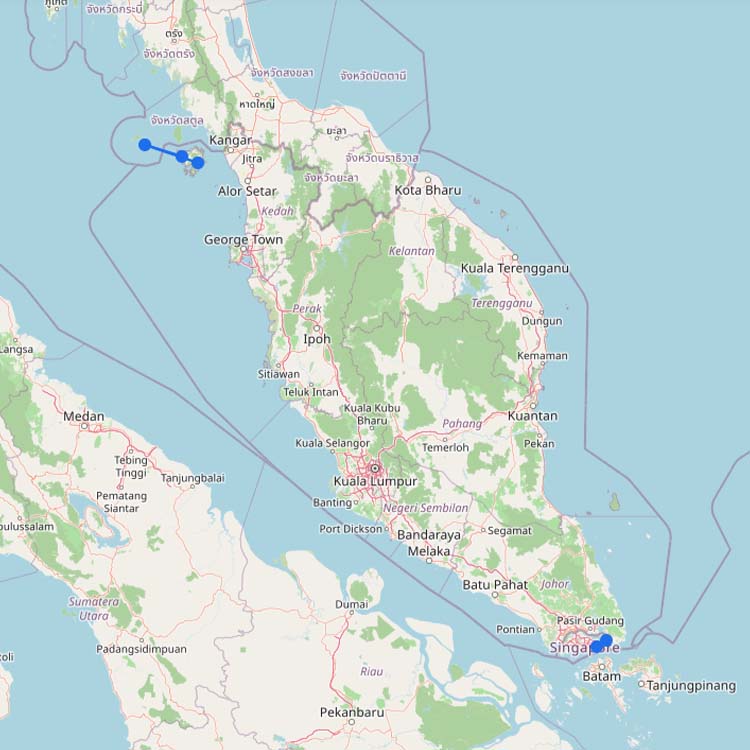




Thailand ferry routes map

Thailand’s ferry map quickly shows why the country is such a strong island-hopping destination. The network is split between the Andaman Sea on the west coast and the Gulf of Thailand on the east coast, with different seasons, ferry styles and levels of organisation.

We have travelled on quite a few of these routes ourselves in recent years. In 2025 we boarded ferries and speedboats to islands including Koh Lipe, Koh Lanta, Koh Samui, Koh Phangan and Koh Tao. In 2026 we returned to southern Thailand again, including another trip to Koh Lipe and a crossing to Koh Samet.

That mix of routes gave us a good feel for what Thai ferry travel is really like: sometimes smooth and well organised, sometimes delayed and a little chaotic, but almost always part of the adventure. As a rule of thumb, the Gulf routes to Koh Samui, Koh Phangan and Koh Tao tend to feel more structured, especially with operators such as Lomprayah and Seatran. The Andaman routes around Phuket, Phi Phi, Koh Lanta and Koh Lipe can be spectacular, but often involve smaller speedboats, beach landings, floating piers and more weather-sensitive planning.

Taking ferries in Thailand: what to expect

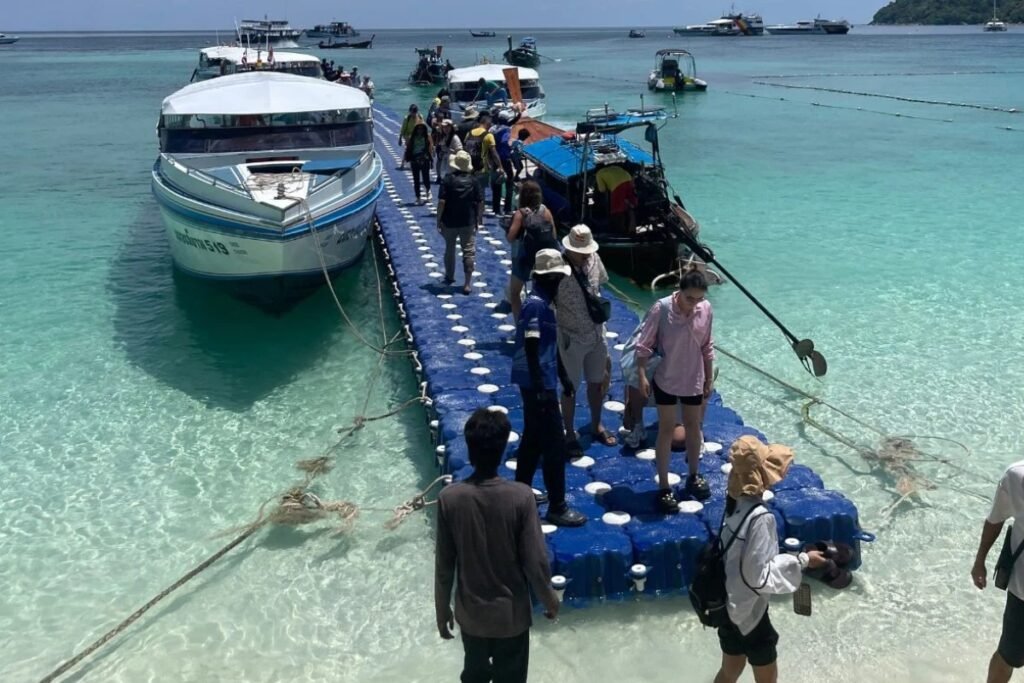
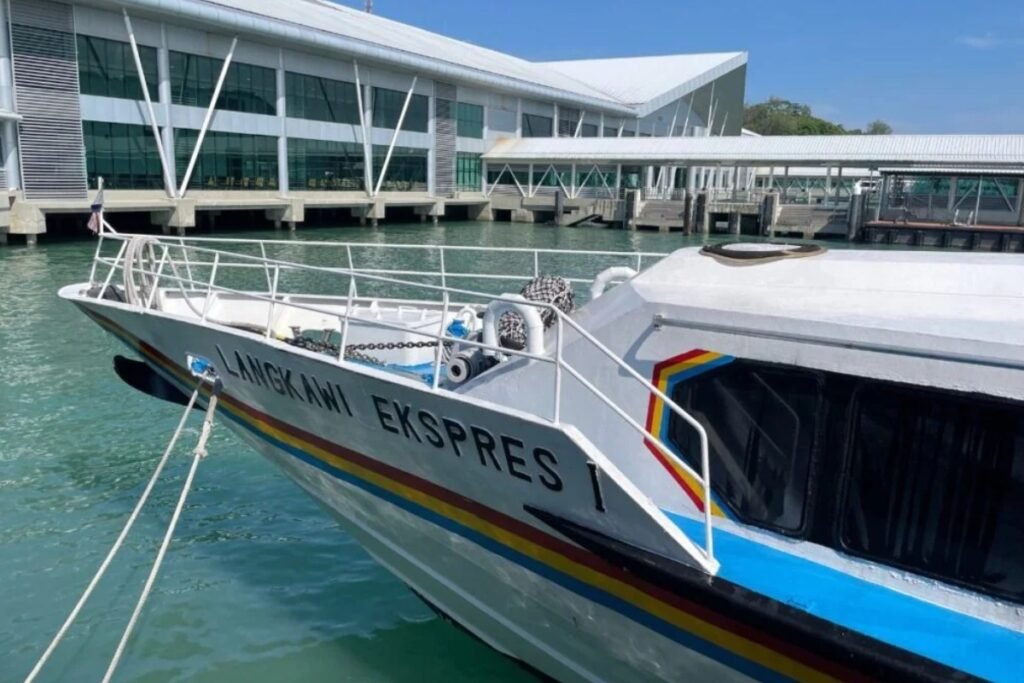
Ferries in Thailand are very practical, but they do not always work like ferries in Northern Europe, the UK or the Mediterranean. Timetables can shift, boats can be full, luggage may be stacked quickly by the crew, and a ‘pier’ can mean anything from a proper terminal to a floating platform or a sandy beach.

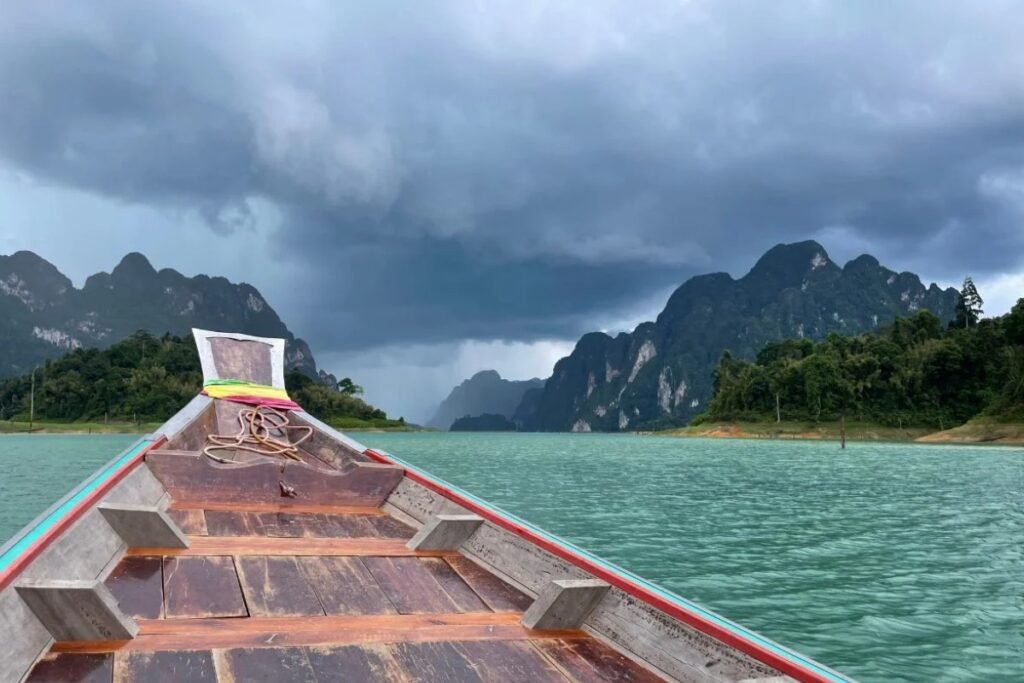
That does not make the system bad. In fact, some of our best Thailand travel days were ferry days. The trip from Koh Samui to Koh Tao with Lomprayah was well organised and comfortable in calm weather. The journey from Koh Tao towards Khao Sok via Surat Thani showed how useful combined ferry, bus and minivan tickets can be. And the crossings to Koh Lipe reminded us that some Thai island routes are less like a ferry and more like a fast speedboat adventure.

Andaman Sea or Gulf of Thailand?

The biggest planning mistake is treating Thailand as one single ferry region. The Andaman Sea side includes places like Phuket, Phi Phi, Koh Lanta and Koh Lipe. This side is fantastic for island hopping, especially in the dry season, but longer speedboat routes can become tiring if the sea is rough.

The Gulf of Thailand side includes Koh Samui, Koh Phangan and Koh Tao. These routes are often easier to combine with airports, buses and mainland transfers via Chumphon or Surat Thani. For many travellers, this is the more straightforward side of the Thai ferry network.

Our practical advice before booking

  • Book ahead: in high season, boats can fill up. We have seen Thai ferries leave with barely any space left.
  • Do not plan tight flight connections: delays happen, even when the weather looks fine.
  • Use combined tickets when useful: ferry + bus + minivan tickets can make routes such as Koh Tao to Khao Sok much easier.
  • Bring cash: small port fees, national park fees and local transfers are often paid in Thai baht.
  • Pack for heat, noise and sun: speedboats can be loud, top decks can be hot, and air-conditioned cabins can be surprisingly cold.
  • Expect different boarding styles: some islands have proper piers, while others use floating platforms, longtail boats or beach landings.
  • Take seasickness tablets if needed: especially for longer Andaman speedboat routes around Koh Lipe, Koh Lanta and Phi Phi.

Thailand ferry experiences from Ferrygogo

If you want to know what these crossings actually feel like, start with our own Thailand ferry reports and practical guides:

Quick verdict

Thailand’s ferry network is brilliant if you give it some breathing space. Choose the Gulf islands if you want a more structured ferry-and-transfer system. Choose the Andaman side if you want dramatic island hopping, clearer water and routes such as Phuket, Phi Phi, Koh Lanta and Koh Lipe. And whatever side you choose: book early, travel light, keep some cash ready and do not expect every boat to leave exactly on time.

Read more

Scroll to Top