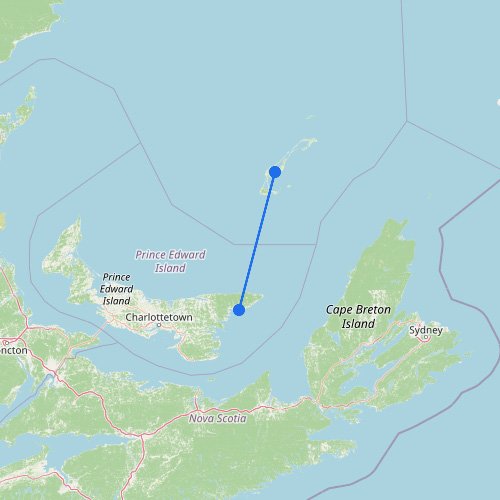
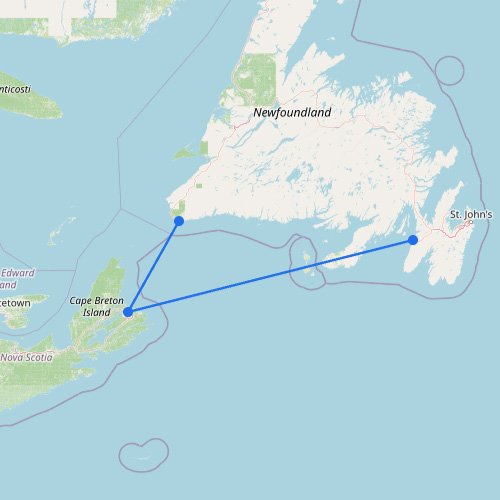
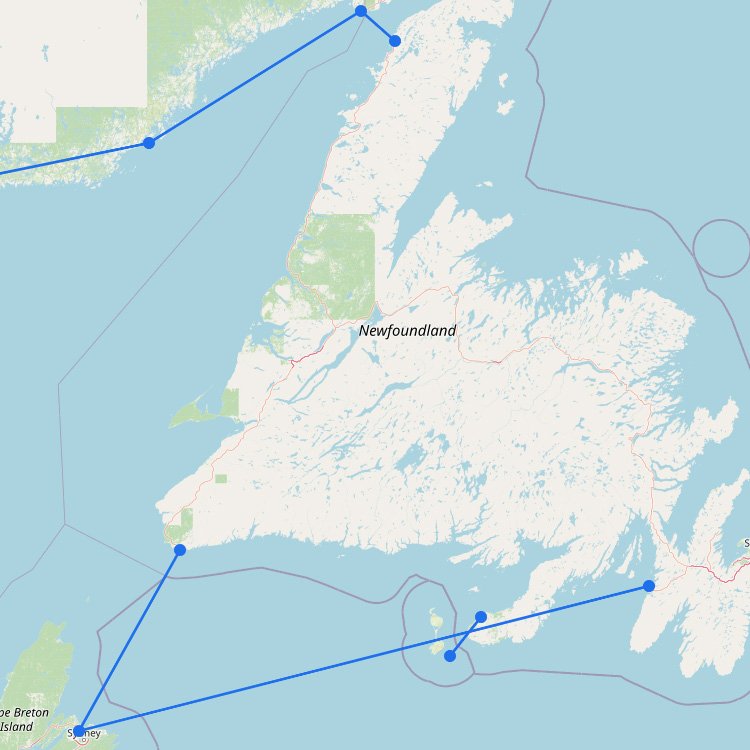
Atlantic Canada’s ferry routes are closely tied to the North Atlantic. Ferries connect the maritime provinces to island communities, linking Nova Scotia with its neighbors and helping cover the distance to Newfoundland. As the map shows, this is a wide network of ocean-going vessels. The crossings are built for long trips and heavy commercial freight, along with travelers heading to remote places such as Pelee Island in the Gulf of St. Lawrence.
Crossing over to Newfoundland is a real change of pace. You leave the green hills of Nova Scotia behind and head into the open Atlantic on a ship that feels like a small city, one of the best ways to feel the isolation and the beauty of the island.
Pick the right port in Newfoundland
The map shows two ways to get to Newfoundland from Nova Scotia: the year-round crossing to Port aux Basques and the summer sailing to Argentia. Port aux Basques takes about 6 hours and lands you on the west side of the island. The Argentia ferry takes 16 hours, with arrival near St. John’s, the capital. If you choose the wrong port, you may end up adding a full day of driving, so line up your first stops with the side of the island you’ll arrive on.
Expect North Atlantic weather
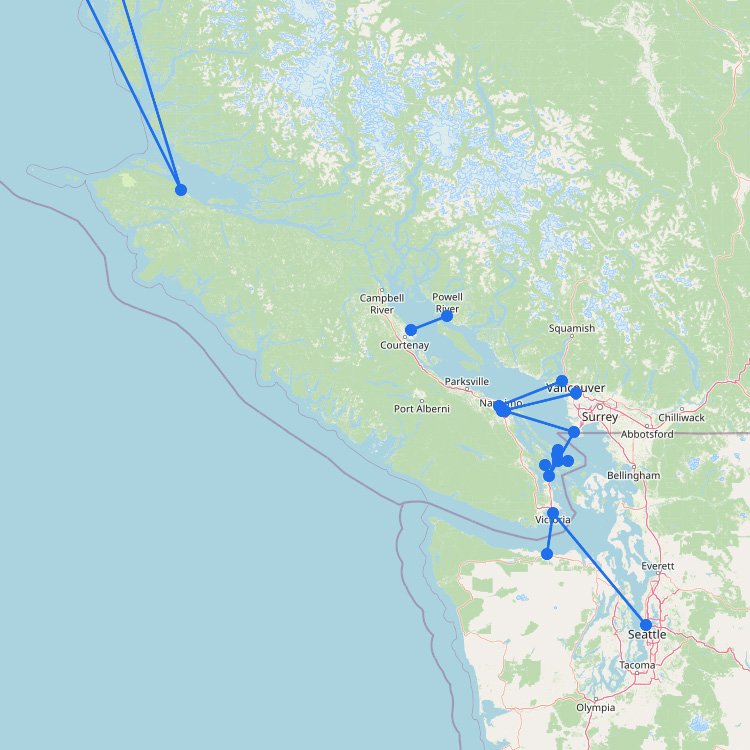
The Cabot Strait can bring fog and rougher conditions than most coastal routes. Unlike the calmer crossing-style trips in the Puget Sound, sailings here can be delayed or rescheduled because of high winds and sea state. Plan with a “buffer day” on either side of your crossing, and keep a warm jacket within reach, once you clear the harbor, temperatures can drop fast.”