
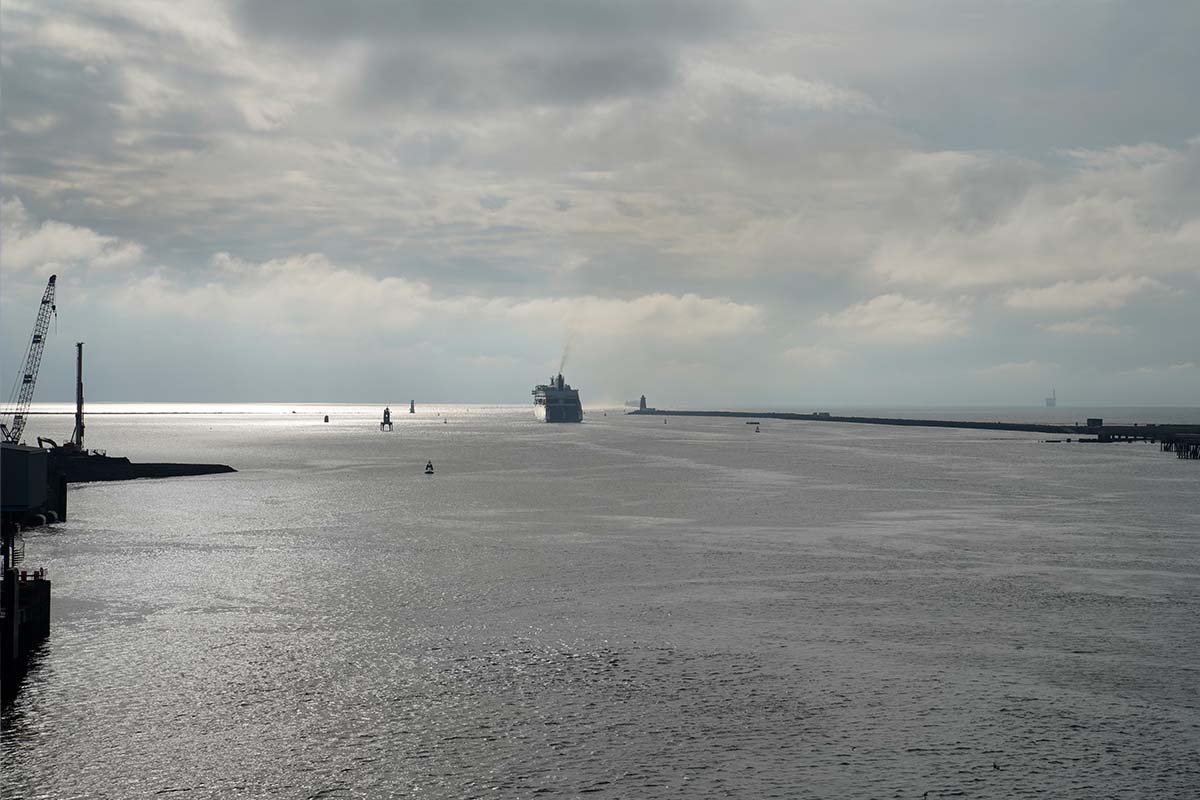

We travelled this route ourselves with both the Dublin Swift from Irish Ferries and a ferry from Stena Line. While both crossings take you between Dublin and Holyhead, the travel experience can feel quite different depending on the type of ferry you choose.
Fast ferry vs larger ferry
Both Irish Ferries and Stena Line operate larger ferries on this route with facilities such as restaurants, bars, lounges, a duty-free shop, pet facilities and even cinemas on some sailings.
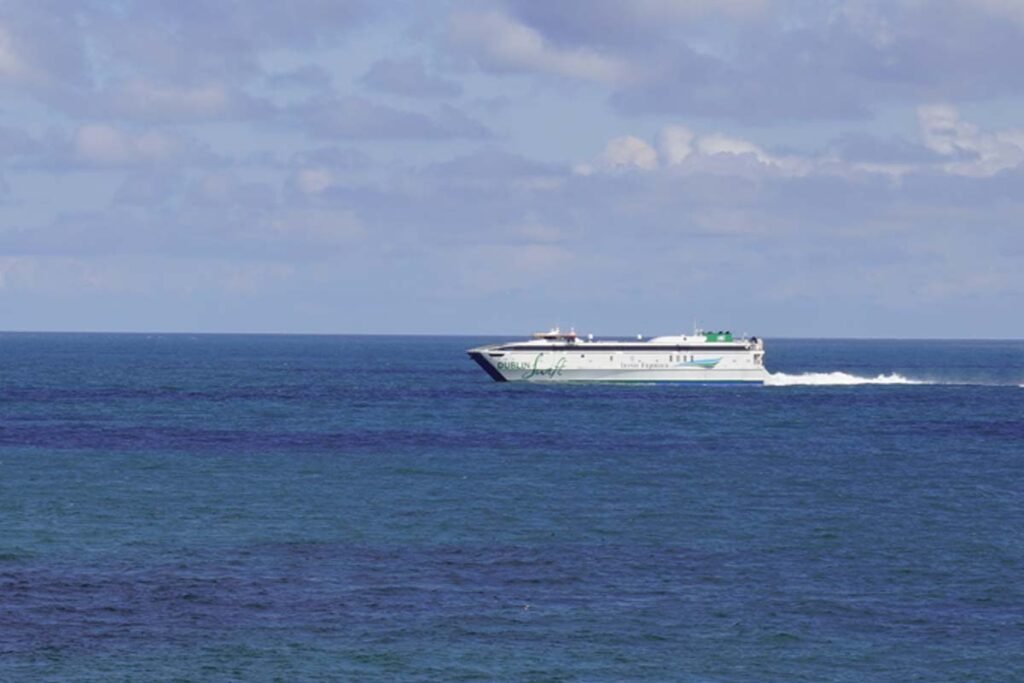
Irish Ferries also operates the Dublin Swift, a high-speed catamaran capable of reaching around 35 knots (approximately 65 km/h). The onboard facilities are more limited, but the shorter sailing time is the main reason many travellers choose it.
Which option suits your trip?
- Tight schedule → Fast ferry
The Dublin Swift crossing takes around 2h 15m, compared with approximately 3h 15m on larger ferries. - More comfort → Larger ferry
More seating areas, more room to walk around and generally more onboard facilities. - Families → Larger ferry
Extra space, children's facilities and more seating options can make travelling easier. - Seasickness concerns → Larger ferry
Larger ships generally feel more stable during rougher weather. - Sailing reliability → Larger ferry
During periods of strong weather in the Irish Sea, high-speed ferries are affected sooner. - Travelling in winter? → Larger ferry
The Dublin Swift has not operated during winter periods in recent years and is usually introduced again closer to the main season.
Our Dublin Swift experience
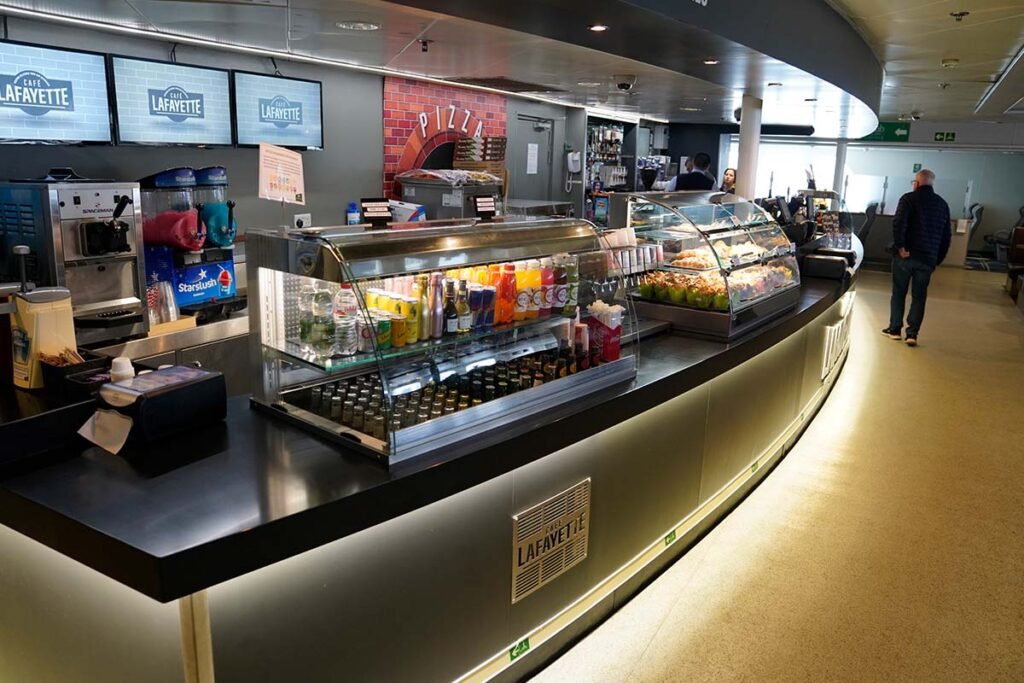
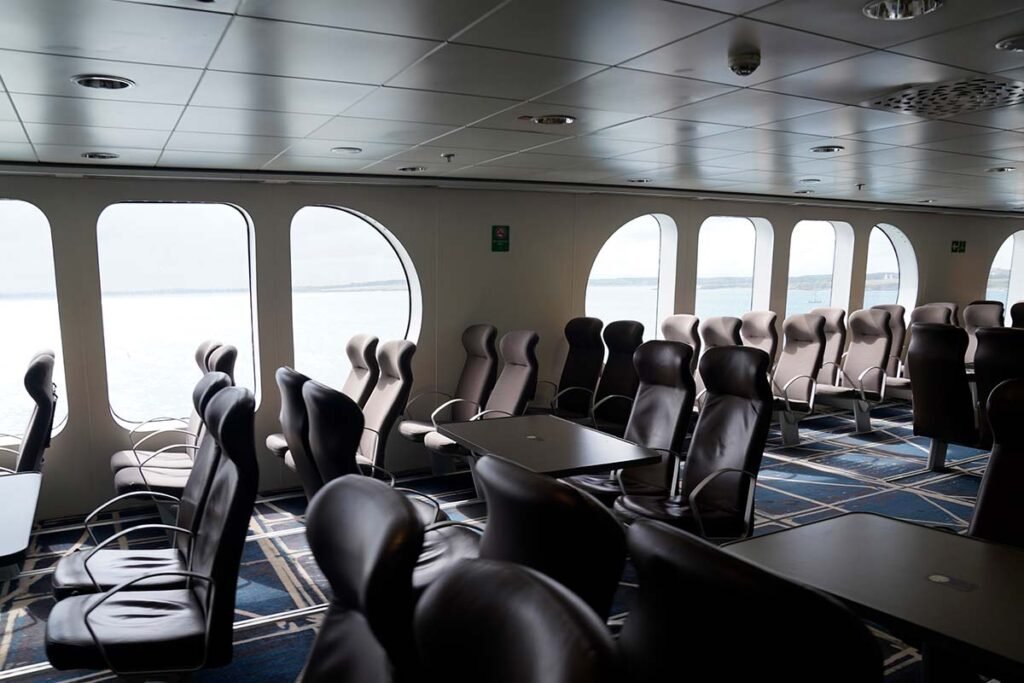
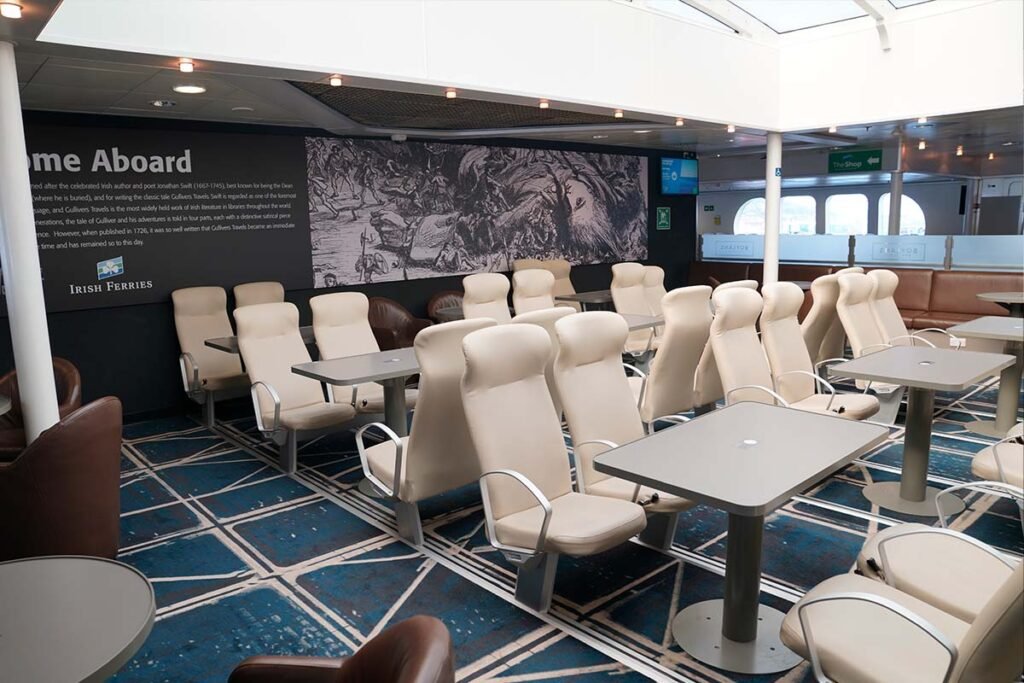
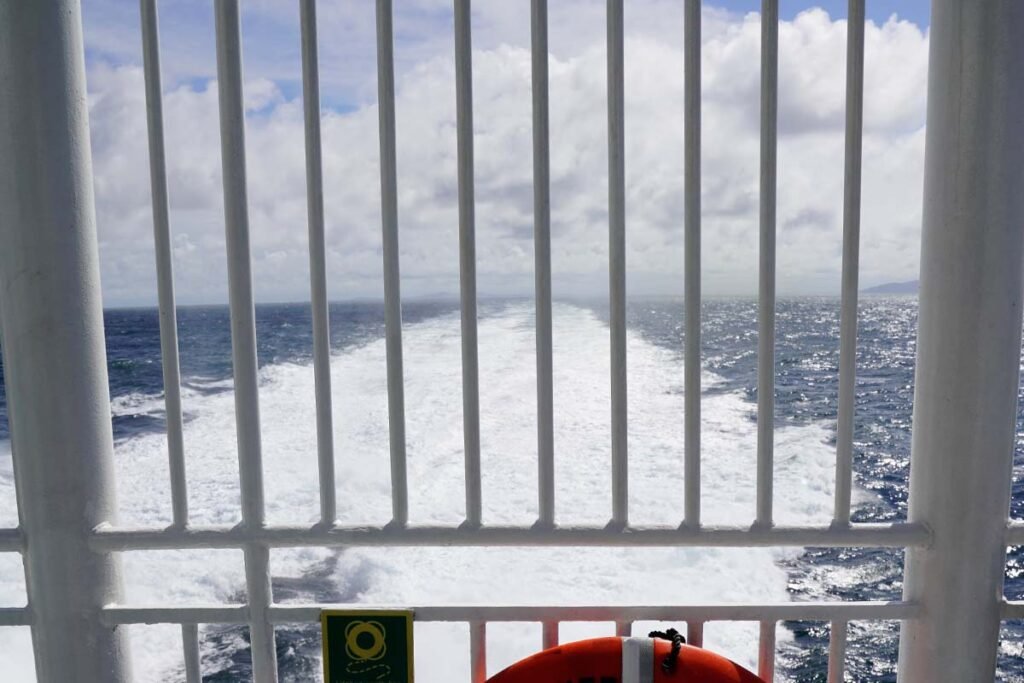
The Dublin Swift is an impressive ferry, and speed is naturally its main attraction. However, we were also pleasantly surprised by the interior and onboard atmosphere.
We booked the Club Class Lounge, partly because it gave us a good opportunity to walk around and take photos during the journey. For us, the additional cost felt worthwhile. The front seating area, which included refreshments, added something extra to the crossing experience.
Our Stena Line experience
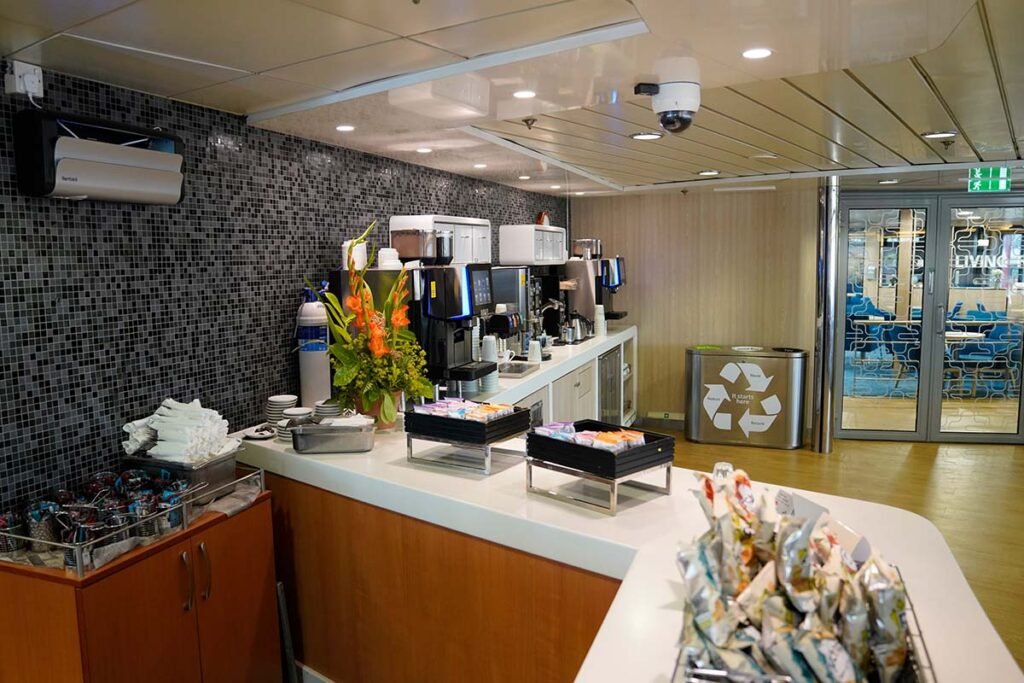
The Stena Adventurer felt like a large and comfortable ship for this route. We chose the Stena Plus Lounge, which included coffee and a few small refreshments. Meals were also available, although these were not included.
Stena Plus is a pleasant extra if you prefer a quieter area, though it is certainly not essential. The regular seating areas throughout the ship were also comfortable and well-maintained.
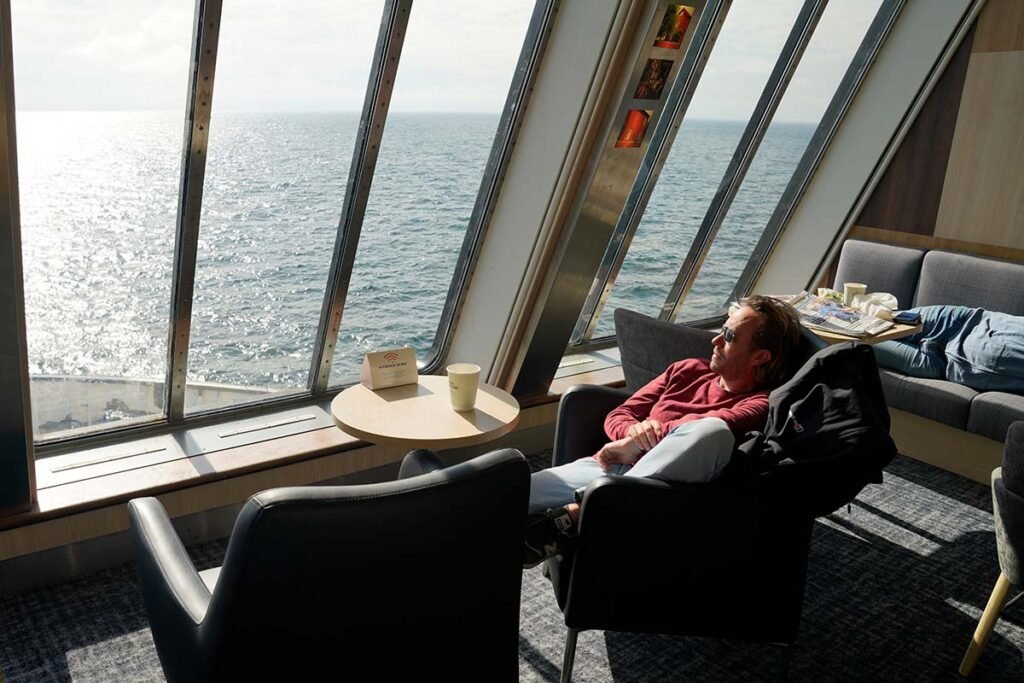
One thing we would recommend for a crossing of this length is bringing some entertainment. For some travellers, just over three hours may feel slightly too long without a book, downloaded series or simply a short nap.
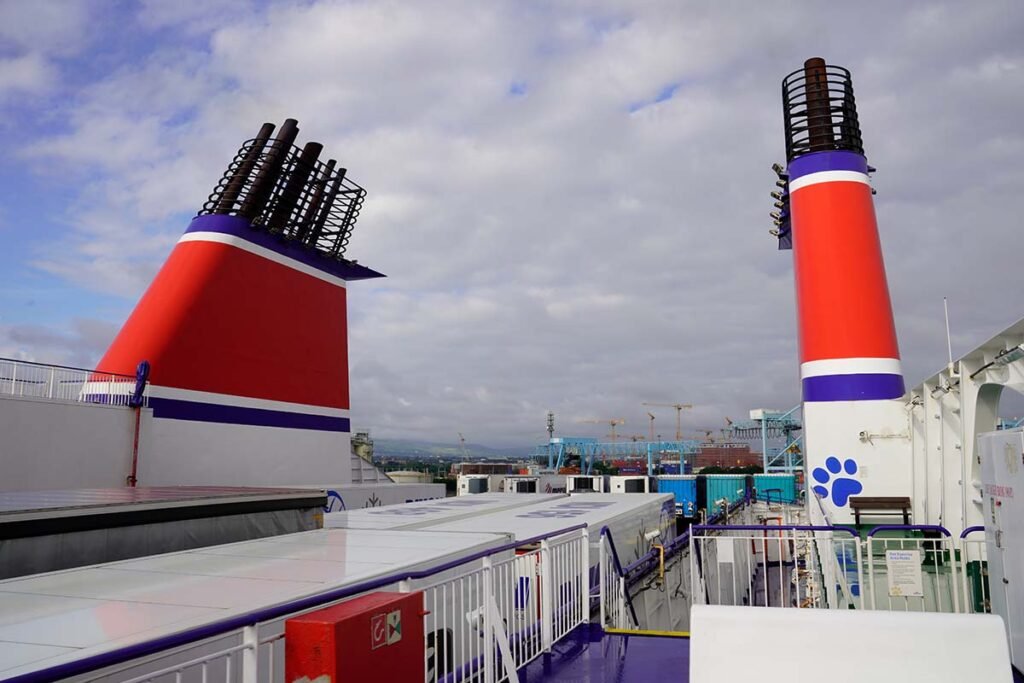
- We only travelled on the Dublin Swift and the Stena Adventurer ourselves. For an overview of the ferries and their onboard facilities, including photos, you can visit holyhead-dublin.com/ie/ferries/.
What stood out to us?
When comparing prices before booking, we noticed that the fast ferry was not always more expensive than the larger ferries. In practice, you can often simply choose based on your own preferences.
If we had to point out one thing we particularly liked, it was the shorter crossing time of the Dublin Swift. That may sound a bit obvious, but it does make a noticeable difference on a travel day. However, the larger ferries do offer more onboard space and flexibility.
The difference between 2h 15m and 3h 15m may not sound huge, but in practice it feels more noticeable than you might expect. If you choose one of the longer crossings, bring a book, watch a film, or, as the gentleman in our photo did, simply take a nap.
Although we travelled on one of the most popular routes between Ireland and Wales, it is not the only option if you are heading towards Britain. Depending on where you are travelling, other crossings from Ireland can sometimes be more practical. You can explore all available ferries to the UK.